What are the Various Hair Types and How Should I Care for Them
There is no such thing as “one-size-fits-all” when it comes to achieving and maintaining healthy, beautiful hair. A person’s hair is unique in texture, pattern, and behavior, so understanding your hair type is a key step towards proper hair care and the ideal treatment for your hair.
From sleek, straight stems to bouncy coils, each type of hair has its own set of products, technique, and routine. In this hair guide, you will learn about the four primary hair types, how that affects care, and helpful tips for treating dry scalp, frizz, and other hair concerns.
Why is Hair Type Important to Hair Care
Your hair type helps dictate how your hair feels, responds to moisture, heat, and styling:
-: Straight hair tends to get dirty quicker.
-: Wavy hair struggles with frizz.
-: Curly hair often needs a little more moisture.
-: Coily hair often needs deep nourishment and gentle care.
Picking the proper hair care routine involves understanding what your hair type really needs, whether it is lighter volume, defined curls, or moisture repair. Once you determine your hair type, you will be able to move forward with the best treatment products suited for your natural hair type.
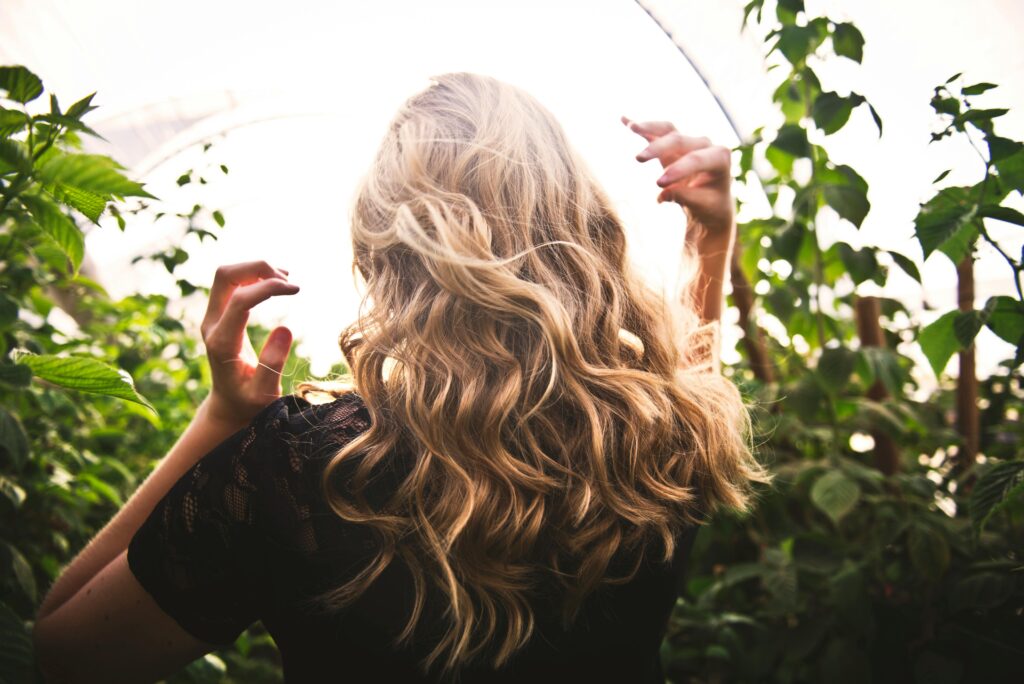
The Four Major Hair Types
The most widely used hair typing method is the Andre Walker Hair Typing System, which divides hair into four types: Straight, Type 1; Wavy, Type 2; Curly, Type 3; and Coily, Type 4. Each hair type is then subdivided into three subcategories, A, B, or C, that indicate whether the hair pattern is more tight or loose.
Type 1: Straight Hair Characteristics
Type 1 hair is categorized as straight hair; it is straight from root to tip, and has a smooth surface. This hair type usually reflects light easily, giving hair a shiny appearance, but tends to get oily fairly quickly because the natural oil made by the scalp travels down the strand with ease.
Common Frustrations
Lacks volume or body. Looks greasy, limp, or flat. Difficult to hold curls or styles.
Hair Care Tips
If not already doing so, use a volumizing shampoo and lightweight conditioner. Don’t use heavy creams or oils on the scalp. Use dry shampoo in between washes to cut down on oil from building up and appearing greasy. Try a mousse or root-lifting spray for mush needed added body.
Best Hair Treatment for Type 1 Hair
A clarifying hair treatment once every two weeks will help remove products from your hair and excessive oil. Use a product that contains ingredients such as tea tree oil or apple cider vinegar to feel fresh without drying out your scalp.
Type 2: Wavy Hair Characteristics
Wavy hair is characterized by a “S” shaped, loose, wavy pattern ranging from subtle to more defined.
Typical Issues
Frizzing and shape loss
Ends can feel dry but roots become oily
Heavy products can weigh down the hair
Hair Care Tips
Use sulfate-free shampoo for natural moisture.
Condition from mid-length to ends, never on scalp
Scrunch hair lightly with cotton T-shirt or microfiber to define waves
Diffuse on low heat to dry hair without disrupting the natural pattern
Best Treatment for Wavy Hair
Light leave in conditioner or hydrating mist to define waves and combat frizz.
Look for coconut water or aloe which are great at a soft, touchable finish
Characteristics
Curly hair forms defined loops or ringlets. Since it is naturally dry, the oil from the scalp has a harder time traveling down a spiraled hair strand.
Common Challenges
Tends to be dry, frizzy curls, and tangles
Shrinks once dry, making your hair look shorter than it is.
Sensitive to humidity and heat
Hair Care Tips
Gently cleanse with a sulfate-free shampoo or co-wash (wash with conditioner).
Deep condition every once or twice a week to help add moisture.
Detangle gently with fingers or a wide tooth comb when wet
Sleep on silk or satin pillowcase to reduce the friction.
Best Treatment for Type 3: Curly Hair
A hydrating treatment in the form of hair masks or protein treatments can help keep hydration levels in balance and strengthen your curls. Look for ingredients like shea butter, keratin, and argan oil to help restore bounce and elasticity. Type 4: Coily/Kinky Hair Type 4 features extremely tight coils or zig zag patterns. This is the most fragile of all hair types and is the most susceptible to shrinkage and dryness. While this hair type is the most fragile, it is also the most versatile and can be styled in a variety of protective styles.
Typical Issues
High risk of breakage
Easily prone to dryness or tangles
Difficult to maintain length because of shrinkage
Tips
Use the LOC or LCO method of layering (liquid, oil, cream) to help retain moisture. Deep condition at least once a week with a moisture enriched oil such as castor or avocado. Do not manipulate it too much and try to wear it in protective styles (twists or braids). Always detangle the hair when damp and conditioned.
Best Treatment for Type 4: Coily/Kinky Hair
A hot oil treatment is a great option for this hair type. The warm oils (coconut oil, olive oil, etc) to help open the cuticle and provide deep hydration and shine.
Understanding Hair Porosity and Scalp Health
Low porosity hair has cuticles that are closely packed together, which can be resistant to moisture. You will want to use lightweight, water-based hair products. High porosity hair absorbs moisture easily but will lose moisture even faster. For high porosity hair, look for thicker creamier products and seal with oils. Dry Scalp Issues A dry scalp can occur with any hair type, and it’s commonly paired with itching, flaking, and dullness. A few reasons your scalp may be dry include a harsh shampoo, which may strip moisture, weather, dehydration, or product buildup. Hair treatment for women (and men) to include in your routine if dealing with dry scalp: Switch to a mild moisturizing shampoo. Use scalp oil with tea tree, jojoba, or argan oil. Gently exfoliate your scalp weekly with a mild scrub to get rid of dead skin. Drink a sufficient amount of water and consider a humidifier in dry climate.
Choosing the Best Hair Treatment for Your Hair Type
The best hair treatment will vary depending on your texture, your scalp condition, and your lifestyle.
Professional Hair Treatments to Explore
If you’re looking for results that last longer, some of the professional salon treatments such as, keratin smoothing treatment, hair spa treatment therapy, or scalp detox would make a much more noticeable difference. Just remember to choose treatments that are appropriate for your hair porosity and texture. When visiting a salon, do not choose treatments that add heat or chemicals, as it can exacerbate your hair.
Hair Treatment for Women: Home Versus Salon
For the women who are busy and balancing their time, home treatment plans can provide the same amount of effectiveness as salon treatment plans, provided they are consistently applied to your hair.
At Home Hair Masks
Use ingredients such as banana, honey, and yogurt. Fun fact – yogurt is a natural treatment to help hair grow.
Oil Treatments: Warm oil, will help stimulate circulation and moisture back into the strands.
Protein Packs: Eggs or a formula that contains keratin to help you if your hair is weak and thin or being knocked out of the style easily. Visiting a licensed hair professional provides diagnosis and targeted hair treatment for women having hair issues such as coloring, or super dry hair, or unwanted dandruff. Either hair treatment plan: home or salon, can greatly benefit your hair with good hair care. Bottom line: Embrace your hair type, and care for it properly Every strand of hair has a story. Remember, healthy and shiny looking hair means loving your hair type, embracing your hair texture, and knowing there are no two hair textures that are alike. If your hair texture is pin-straight or tight coils, the key is to be consistent with your hair care.
Awareness of your Hair Type and Porosity
Nourish your scalp — healthy roots equal healthy strands.
Choose hair treatments based on your hair’s natural texture and condition.
Protect your hair from heat, UV rays, and harsh products.
When you embrace your natural texture and invest in the right hair treatment for women, your hair will reward you with shine, strength, and vitality. Healthy hair isn’t about perfection — it’s about care, patience, and understanding what your hair truly needs.